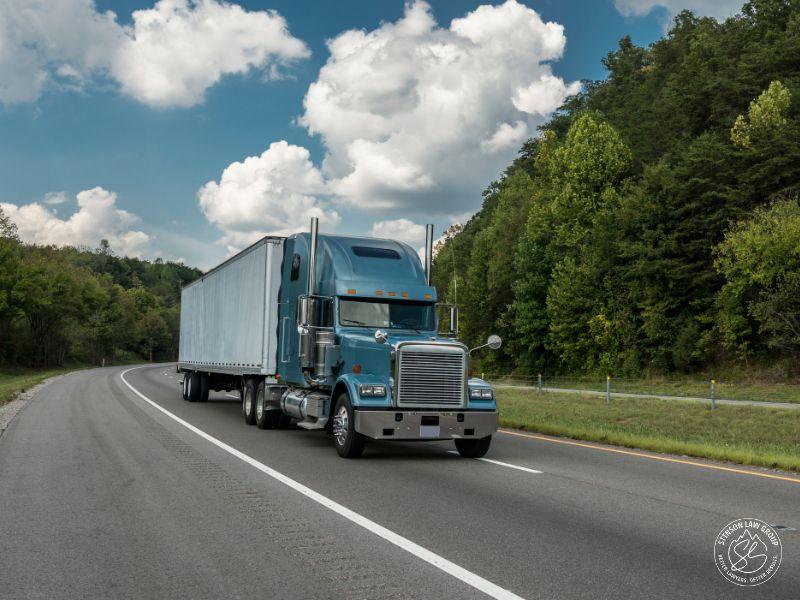
A serious semi truck accident can change your life in an instant. Medical bills begin arriving before you’ve had time to heal, missed work creates financial pressure, and questions about the future can feel overwhelming. One of the most important decisions that may arise during your case is whether to accept a settlement or continue toward trial.
Many people assume there is a simple answer, but every truck accident claim is different. What makes sense for one person may not be the right path for another. Understanding the advantages and drawbacks of both options can help you make an informed decision when the time comes.
If you’re wondering when to settle a personal injury claim after a trucking collision, it’s important to understand how these cases are evaluated and what factors can influence the outcome.

Why Semi-Truck Accident Cases Are Different
Not all vehicle accident claims are created equal. A semi-truck accident often involves far more complexity than a typical passenger-vehicle collision.
Commercial trucking companies typically carry substantial insurance policies, and multiple parties may be involved in the case. Depending on the circumstances, liability could extend beyond the driver to the trucking company, maintenance providers, cargo loaders, or other entities responsible for the truck’s operation.
Federal regulations, driver logbooks, electronic data records, maintenance reports, and company safety policies frequently become part of the investigation. These factors can make trucking cases more challenging, but can also create opportunities to uncover evidence that strengthens a claim.
Because of these complexities, working with an experienced truck accident lawyer can be critical when evaluating settlement offers and trial options.

Understanding Settlements in Truck Accident Cases
Most personal injury cases are resolved through settlement rather than trial. A settlement occurs when both sides agree to resolve the claim without asking a jury to decide the outcome.
In a trucking case, the insurance company may offer compensation in exchange for a release of future claims. Once a settlement agreement is finalized, the case is generally closed permanently.
Settlements can occur at many stages of a claim. Some cases settle shortly after an investigation is completed, while others resolve after a lawsuit has already been filed.
Potential Benefits of Settling
For many accident victims, settlement offers several advantages.
First, settlements provide certainty. Rather than leaving the outcome in the hands of a jury, both sides agree to a specific amount of compensation.
Second, settlements often allow injured individuals to receive compensation sooner than they would through a lengthy trial process. Truck accident litigation can take months or even years, depending on the complexity of the case and court schedules.
Settlements can also reduce stress. Preparing for depositions, expert testimony, and courtroom proceedings can be emotionally taxing, especially for individuals who are still recovering from significant injuries.
Potential Drawbacks of Settling
While settlements can offer certainty, they may not always provide full compensation for the losses suffered.
Insurance companies are businesses. Their goal is often to resolve claims for the lowest amount possible. An early offer may not account for future medical expenses, long-term disability, reduced earning capacity, or ongoing pain and suffering.
Once a settlement is accepted, additional compensation generally cannot be pursued later, even if injuries become more serious than originally expected.
This is one reason why determining when to settle a personal injury claim requires careful analysis of both current and future damages.
What Happens When a Case Goes to Trial?
When settlement negotiations do not result in a fair resolution, taking the case to court may become necessary.
At trial, both sides present evidence, question witnesses, and make arguments before a judge or jury. The jury then determines liability and, if appropriate, awards damages.
While trials often receive the most attention in television dramas and news reports, they are simply one method of resolving disputes when negotiations fail.
Potential Benefits of Going to Court
A trial may create the opportunity to recover compensation that more accurately reflects the full impact of a devastating semi truck crash.
Jurors can hear evidence regarding catastrophic injuries, permanent disabilities, future medical treatment, and the ways a collision has affected a person’s life. In some situations, a jury may award significantly more than what was offered during settlement negotiations.
Trials can also hold negligent parties publicly accountable. When trucking companies ignore safety regulations or fail to properly supervise drivers, a courtroom verdict can bring those issues into the open.
For some individuals, having their case heard before a jury provides a sense of closure and justice that a private settlement may not offer.
Potential Drawbacks of Going to Court
Trials come with uncertainty.
Even strong cases can face challenges, and no attorney can guarantee how a jury will respond to evidence. A favorable settlement offer may sometimes provide more certainty than the risks associated with a trial.
Court cases also require additional time. The litigation process may involve extensive discovery, expert witness preparation, motions, hearings, and scheduling delays.
Additionally, trials can be emotionally demanding. Reliving the details of a traumatic collision and discussing injuries in a public setting is not easy for many accident victims.

Factors That May Influence the Decision
No attorney should pressure a client into accepting or rejecting a settlement. Instead, the decision should be based on the unique facts of the case.
Several factors often play a role when evaluating whether a settlement or a trial may be the better option.
Strength of the Evidence
The quality of evidence can significantly impact case value.
Trucking cases frequently involve electronic logging devices, black box data, maintenance records, surveillance footage, and witness testimony. Strong evidence supporting liability may increase negotiating leverage and influence settlement discussions.
Severity of Injuries
Cases involving catastrophic injuries often require a detailed evaluation of future medical expenses and long-term care needs.
Before accepting a settlement, it’s important to understand the full extent of the injury and its impact on future quality of life. Settling too early can leave injured individuals without adequate resources later.
Insurance Coverage and Company Resources
Commercial trucking policies are often much larger than standard vehicle insurance policies. However, larger policies can also lead to more aggressive defense strategies.
Insurance companies and trucking corporations frequently have teams of attorneys working to minimize payouts. A skilled tractor-trailer accident lawyer can help assess whether a proposed settlement fairly reflects the available evidence and damages.
Personal Priorities
Every client has different goals.
Some individuals want to resolve the matter as efficiently as possible and move forward with their lives. Others are willing to pursue litigation if it means seeking full accountability and potentially greater compensation.
Neither approach is inherently right or wrong. The best decision is the one that aligns with the client’s circumstances, financial needs, and long-term interests.

Why Experience Matters in Trucking Cases
Whether a case settles or proceeds to trial, trucking accident claims require a thorough understanding of both state and federal regulations.
An experienced truck accident lawyer can investigate the collision, preserve critical evidence, work with industry experts, and evaluate the true value of the claim. Just as importantly, an attorney can help explain the risks and benefits of each available option so clients can make informed decisions.
At Stinson Law Group, we understand the unique challenges that follow a serious trucking collision in Montana and Wyoming. Our role is not simply to pursue compensation. It’s to provide clear guidance, honest communication, and experienced advocacy throughout the process.
Choosing the Path That Makes Sense for You
There is no universal answer to when to settle a personal injury claim after a trucking collision. The right decision depends on the facts of the case, the severity of the injuries, the available evidence, and the goals of the individual involved.
Some cases are best resolved through a fair settlement that provides timely compensation and certainty. Others may warrant presenting the evidence to a jury when negotiations fail to reflect the true value of the losses suffered.
If you’ve been injured in a semi truck accident in Montana or Wyoming, understanding your options is one of the most important steps you can take. Speaking with an experienced legal team can help you evaluate the strengths of your case and determine which path may be appropriate for your situation.
Meet Laurence Stinson, a Tractor-Trailer Accident Lawyer
For nearly three decades, Laurence Stinson has devoted his practice to personal injury and insurance law, with a focus on tractor-trailer crash cases. Before founding Stinson Law Group with his brother, Scott, Laurence spent years handling a wide range of complex litigation, experience that continues to shape how he approaches today’s trucking accident cases.
Known for his thorough preparation, Laurence participates in more than 40 jury focus groups each year to better understand how juries respond to evidence. He has also served in leadership roles within Montana’s legal community and was recognized as a Top 100 National Trial Lawyer in 2024.
When he’s not advocating for clients, you’ll likely find him on his mountain bike, exploring trails far from the nearest road.
Learn More About Personal Injury Claims
If you have questions about a trucking accident claim, Stinson Law Group is available to discuss your situation and help you understand your legal options.
Read More Legal Articles
Interested in learning about Wyoming and Montana laws as they relate to injury, business and construction, and tractor-trailer accidents? If so, please read more of our resource articles.