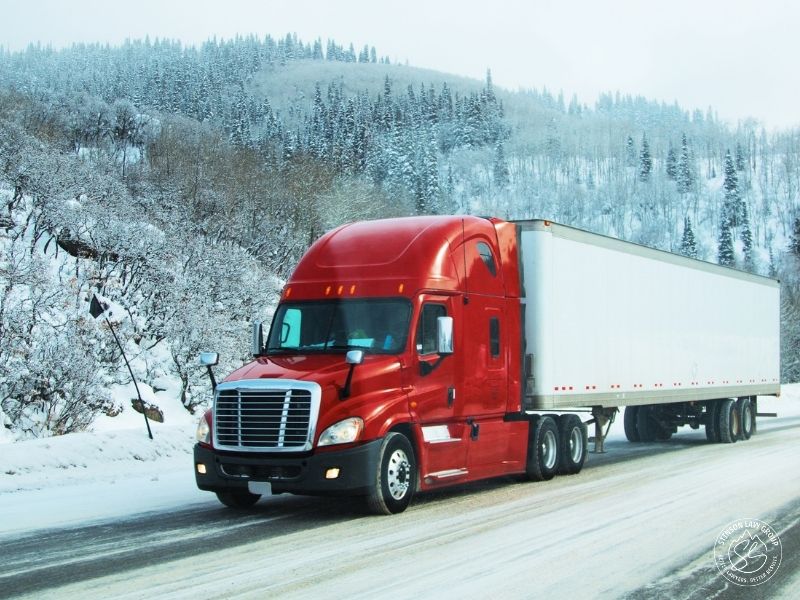
Winter in Montana and Wyoming is not for the faint of heart. We deal with icy mountain passes, whiteout conditions, and rapidly dropping temperatures. When you add heavy machinery like semi-trucks and snowplows into the mix, the margin for error disappears. As attorneys who focus exclusively on tractor-trailer accidents, we see the devastating results of winter collisions far too often. Our goal is to educate our community so you can make it home safely.
Whether you are navigating Bozeman Pass and need a local attorney or driving through the open plains of Wyoming and need a Cody injury lawyer with decades of experience, knowing how to share the road with large vehicles is critical.
The Unique Dangers of Winter Roads
Driving conditions in our region can change in an instant. A clear highway can turn into a sheet of black ice within miles. Commercial drivers and plow operators are professionals, but they are fighting the same physics as everyone else. A fully loaded tractor-trailer can weigh up to 80,000 pounds. On slick roads, that weight creates massive momentum that is difficult to stop or control. Understanding the limitations of these vehicles is the first step in protecting yourself and your family.
How to Drive Around Semi Trucks in Winter Conditions
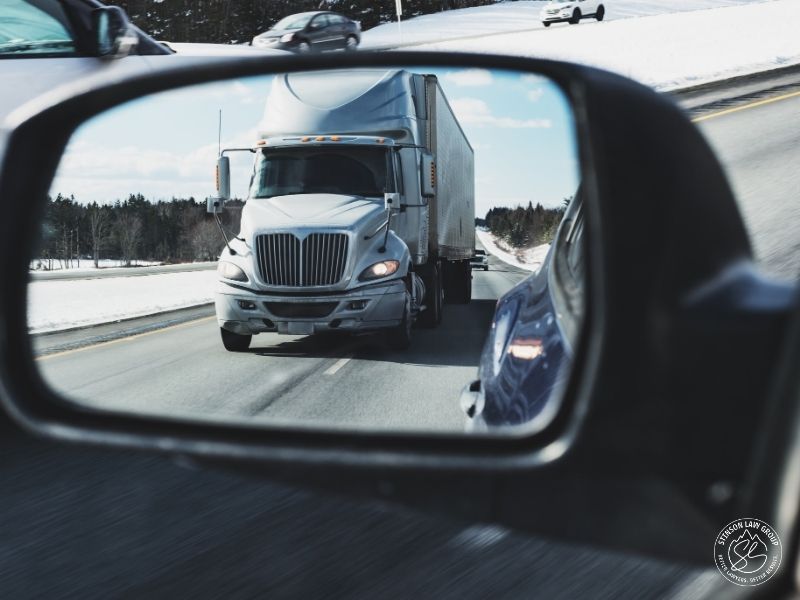
Giving large trucks room is the most important rule of the road, especially in winter. When roads are slick, a truck’s stopping distance increases significantly. If you cut in front of a truck and hit your brakes, the driver behind you may not be able to stop in time, leading to a catastrophic rear-end collision.
Respect the “No-Zone”
Semi-trucks have massive blind spots on all four sides. If you cannot see the driver’s mirrors, they cannot see you. In winter, these mirrors often get dirty with spray and slush, making visibility even worse. Do not linger alongside a truck. Pass quickly and safely, or stay back. Lingering in the blind spot on an icy road is a recipe for disaster if the truck loses traction and swings into your lane.
Watch for Spray and Snow
Large trucks kick up huge amounts of snow, slush, and water. This spray can coat your windshield instantly, blinding you for several seconds. Before you attempt to pass a truck, ensure your wipers are on a high setting and that you have plenty of washer fluid. If the spray is too dense, back off. It is better to arrive late than to drive blind.
How to Drive Around Snowplows Safely

Snowplow operators are the unsung heroes of our winter season, working long hours in the worst conditions to keep roads open. However, driving near them requires extreme caution.
Give Them Room to Work
Plows travel slower than regular traffic, often at 35 mph or less. When you approach a plow from behind, slow down immediately. Do not tailgate. The plow driver often has limited visibility due to the cloud of snow they are creating. If you are too close, they likely do not know you are there. Additionally, the sand and de-icer they spread can damage your vehicle if you are following too closely.
Beware of the Wing Plow
Many plows in Montana and Wyoming are equipped with a wing plow—an extension on the side of the truck that clears the shoulder. This wing can extend widely and is often obscured by blowing snow. Never attempt to pass a plow on the right. You might strike the wing plow, which can tear open a passenger vehicle like a tin can.
Pass with Extreme Caution
Plow drivers will often pull over to let traffic pass when it is safe, but they are not required to do so immediately. Be patient. Attempting to pass a plow in whiteout conditions is incredibly risky. You may cross into the path of an oncoming vehicle or hit a snow ridge that throws you off the road.
What to Do If You Are Involved in a Crash
Despite your best efforts, accidents happen. If you are involved in a collision with a semi-truck or snowplow, your priority is safety.
Call 911: Report the accident immediately.
In Wyoming and Montana, significant accidents must be reported to law enforcement.
Seek Medical Attention:
Adrenaline can mask injuries. Seek medical attention even if you feel fine.
Document the Scene:
If it is safe, take photos of the vehicles, road conditions, and any visible injuries. Limit communication: Exchange necessary insurance information, but do not discuss fault on the roadside or on social media.
Why You Need a Tractor-Trailer Accident Lawyer
Accidents involving commercial vehicles are not the same as standard car wrecks. They involve complex federal regulations, massive insurance policies, and corporate legal teams dedicated to minimizing payouts. You need a legal team that devotes its practice to large truck accident injury representation and similar types of cases.
A general personal injury attorney may not be familiar with the Federal Motor Carrier Safety Administration (FMCSA) regulations that govern truck drivers. We fixate on these details—logbooks, maintenance records, and black box data—to prove negligence. If a trucking company puts an unsafe driver on the road in a winter storm, they should be held accountable.
Injured in a Tractor-Trailer Accident? Contact Stinson Law Group for a free case consultation.
Driving in Montana and Wyoming winters requires patience, preparation, and respect for heavy machinery. By knowing how to drive around semi trucks and snowplows safely, you reduce your risk of a life-altering accident. Give them space, stay out of blind spots, and never pass on the right. Injured in a Tractor-Trailer Accident? Contact Stinson Law Group for a free case consultation.
Read More Legal Articles
Interested in learning about Wyoming and Montana laws as they relate to injury, business and construction, and tractor-trailer accidents? If so, please read more of our resource articles.