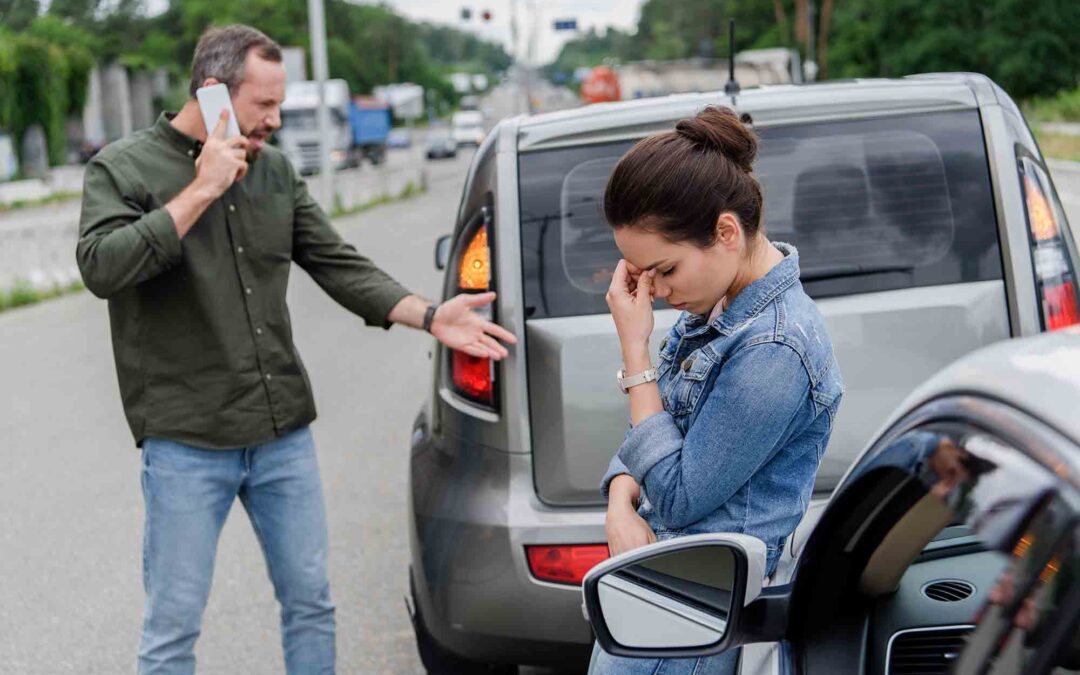
A car accident can happen in seconds, and it’s not always easy to know what to do next. Whether you’re dealing with a minor crash or a serious collision, the steps you take afterward can help protect your safety and give you the information you may need later.
If you’ve been in a car accident in Montana, this step-by-step guide walks through what to do at the scene, what information to gather, when to seek medical attention, and what to know as you deal with insurance and the next steps. We’ll also cover when you may want to talk with a car accident lawyer.

Step 1: Check for Injuries and Get to Safety
Right after a car accident, your first priority should be safety. Check yourself and your passengers for injuries, and call 911 if anyone needs immediate medical attention.
If it is safe to do so, move your vehicle out of traffic and turn on your hazard lights. If moving the vehicle could be dangerous or someone is seriously injured, stay where you are and wait for emergency responders.
Even if you feel okay, take a moment before assuming you are uninjured. Some injuries may not be immediately noticeable after a crash.

Step 2: Call the Police and Report the Accident
Call 911 after a serious car accident, especially if someone is injured, traffic is blocked, or the crash has created an unsafe situation.
When law enforcement responds, they can document the scene, speak with the people involved, and create an official accident report. Be cooperative and stick to the facts when explaining what happened.
Even if the accident seems minor, having the crash properly documented can be helpful if questions about injuries, damage, or insurance come up later.

Step 3: Exchange Information With the Other Driver
Exchange contact and insurance information with the other driver or drivers involved in the accident. Try to gather:
- Full name and contact information
- Driver’s license information
- Insurance company and policy information
- Vehicle make, model, and license plate number
Keep the conversation focused on exchanging information and making sure everyone is safe. Avoid arguing about who caused the accident or making assumptions about fault at the scene.

Step 4: Document the Accident Scene
If you can do so safely, take photos and videos of the accident scene. These details can be helpful later when you’re trying to remember exactly what happened or dealing with an insurance claim.
Try to document:
- Damage to each vehicle
- Vehicle positions and license plates
- The road, intersection, or surrounding area
- Traffic signs, signals, and road markings
- Weather and road conditions
- Skid marks, debris, or other details from the crash
- Any visible injuries, when appropriate
It can also help to write down what you remember while it’s still fresh, including where you were driving, what happened immediately before the crash, and any other details that stood out.

Step 5: Get Contact Information From Witnesses
If anyone saw the accident happen, ask for their name and contact information before they leave the scene. Witnesses may be able to provide an outside perspective on what happened if questions come up later.
If they are willing, you can also ask them to briefly describe what they saw. Keep their contact information with the other photos, notes, and documents you collect after the accident.

Step 6: Seek Medical Attention
Even if you feel okay immediately after a car accident, pay attention to how you feel in the hours and days that follow. Some injuries may not be obvious right away, especially when adrenaline is high after a crash.
Seek medical attention if you are injured or begin experiencing pain or other symptoms. Getting appropriate medical care is important for your health and can also create documentation of your injuries and treatment if you later need to make a personal injury claim.
Keep copies of medical records, bills, treatment recommendations, and other documents related to your care. These records may become important when dealing with an injury-related insurance claim or dispute after the accident.

Step 7: Notify Your Insurance Company
Notify your insurance company about the accident as soon as reasonably possible. Be prepared to provide basic information about the crash, including when and where it happened, the vehicles involved, and any injuries or damage you are aware of.
Keep copies of your claim information, emails, letters, estimates, medical bills, and other communication with the insurance company. It can also help to keep notes about phone conversations, including the date, who you spoke with, and what was discussed.
Insurance claims after a serious injury can become complicated. Questions may come up about your injuries, medical expenses, lost income, future medical needs, or the value of your claim. If you’re having trouble with the process, learn more about insurance disputes in Montana and what may happen next.

Step 8: Know When to Talk With a Car Accident Lawyer
Not every car accident requires an attorney. However, you may want to talk with a lawyer if you were seriously injured, there are questions about who caused the crash, or you’re having difficulty with an injury-related insurance claim.
A lawyer can help you understand your options, what information may be important to your claim, and what the legal process could look like. If you’re unsure whether legal help makes sense for your situation, learn more about when to hire a lawyer after a car accident.

Meet Laurence Stinson
Laurence Stinson is a Montana personal injury attorney and the founder of Stinson Law Group. He helps people and families navigate the legal and insurance questions that can follow serious car accidents and injuries.
If you’re unsure what comes next after a crash, Laurence can help you better understand your options, the insurance claim process, and what a personal injury claim may involve.
Meet Laurence and the Stinson Law Group team to learn more.
Frequently Asked Questions About Car Accidents in Montana
Do I Have to Report a Car Accident in Montana?
Montana requires drivers to notify local law enforcement when a crash results in injury, death, or apparent property damage of $500 or more. If law enforcement does not create a written report and the damage is more than $1,000, the driver must submit a written report to the Montana Highway Patrol within 10 days.
What Should I Do Immediately After a Car Accident?
Start by checking for injuries and getting to a safe location if you can. Call for emergency help when needed, exchange information with the other driver, document the accident scene, and gather contact information from any witnesses.
Should I See a Doctor if I Feel Fine After a Car Accident?
Some injuries may not be immediately noticeable after a crash. Pay attention to how you feel in the hours and days afterward, and seek medical attention if you are injured or begin experiencing pain or other symptoms.
What Should I Tell My Insurance Company After a Car Accident?
When reporting the accident, be prepared to provide basic information such as when and where the crash happened, the vehicles involved, and any injuries or damage you are aware of. Keep copies of claim documents and communications with the insurance company in case you need to reference them later.
When Should I Talk to a Car Accident Lawyer?
Not every car accident requires an attorney. You may want to speak with a lawyer if you were seriously injured, there are questions about who caused the accident, or you are having difficulty with an injury-related insurance claim. You can also learn more about when to hire a lawyer after a car accident.
Read More Legal Articles
Interested in learning about Wyoming and Montana laws as they relate to injury, business and construction, and tractor-trailer accidents? If so, please read more of our resource articles.